

Types of Hydraulic Control Systems
Hydraulic control systems come in various configurations to meet the demands of different applications. One common variant is the direct-acting system. Here, hydraulic energy is transferred without intermediate electronics. Because of its simplicity, this system reacts quickly and is easy to maintain. However, the lack of precision limits its use in more complex mobile machines.
In contrast, split-type systems separate control and actuation. The control unit is placed remotely, while the actuators work on-site. This structure allows for more flexibility in design and improves safety. It also reduces heat and vibration near sensitive components. As a result, split-type solutions are ideal for larger or modular equipment setups.
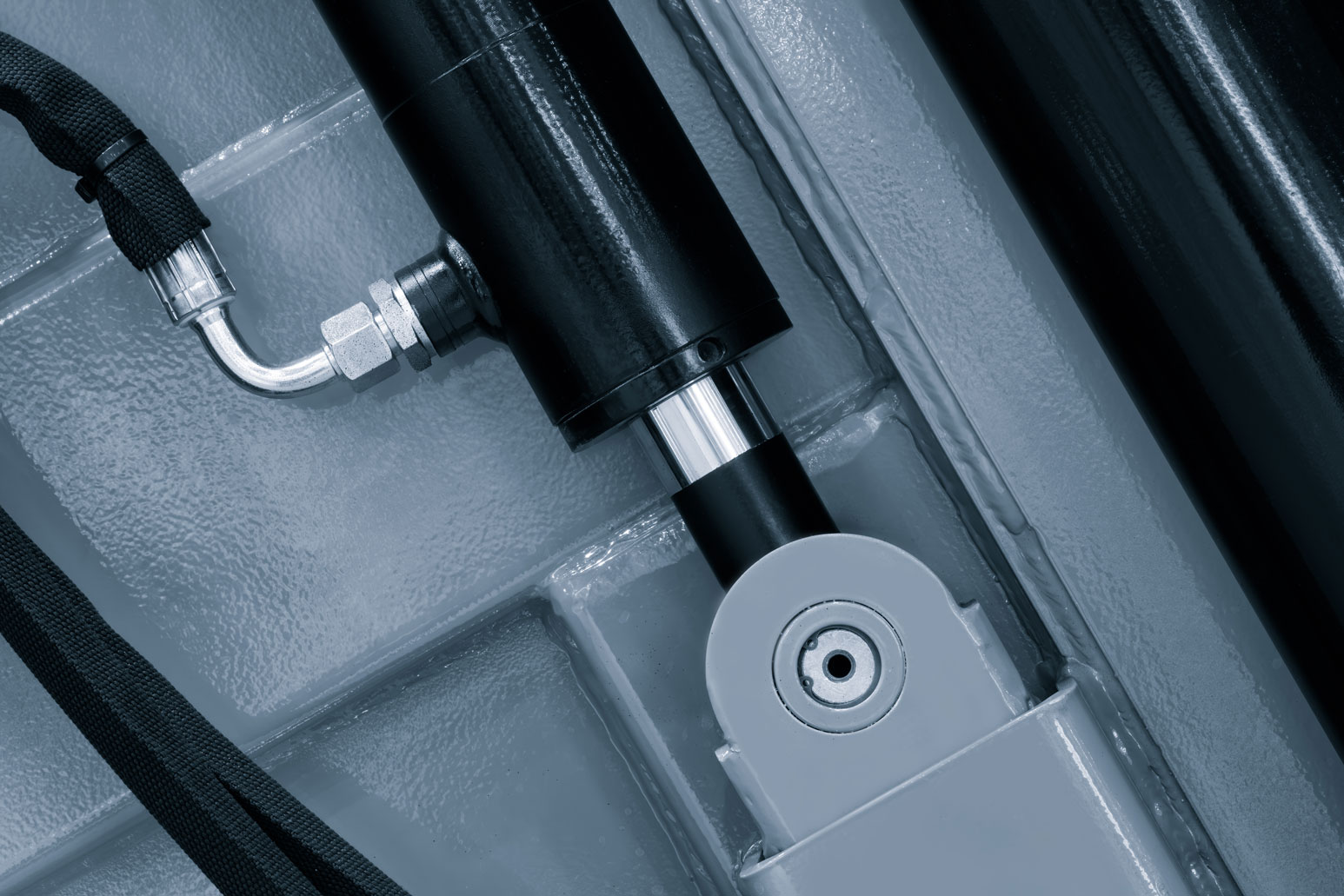 Types of Hydraulic Control – Compact Control
Compact control systems combine valves, sensors, and logic into a single unit. This results in space-saving units that are easily integrated into existing machines. By minimizing external piping, these modules reduce leak risks and improve responsiveness. Their modular structure supports upgrades and system expansions. Electronically controlled hydraulic systems go a step further. They link hydraulic functions with sensors and control software. This enables real-time monitoring and dynamic adjustments during operation. One key advantage is precision. By using electronic control, you achieve higher efficiency and better repeatability. In mobile working machines and crane control, electronic hydraulic control offers advanced features.
Performance Aspects of Hydraulic Control
Precision plays a central role in hydraulic control. Accurate flow regulation, consistent pressure control and smooth actuator response ensure that machines perform reliably under load. This precision increases productivity and minimizes wear. Reaction speed is another key factor. A fast and stable response is essential, especially in dynamic environments or mobile machinery. By combining sensors with intelligent valves, hydraulic systems react in real time to load changes.
Safety is not a secondary feature. It is an integral part of modern hydraulic control. Pressure relief and overload valves protect components from damage. They release excess pressure before it becomes a threat. This not only protects your machine but also the operating personnel. These systems work passively and require no manual intervention. That's especially valuable in harsh or unpredictable working conditions.
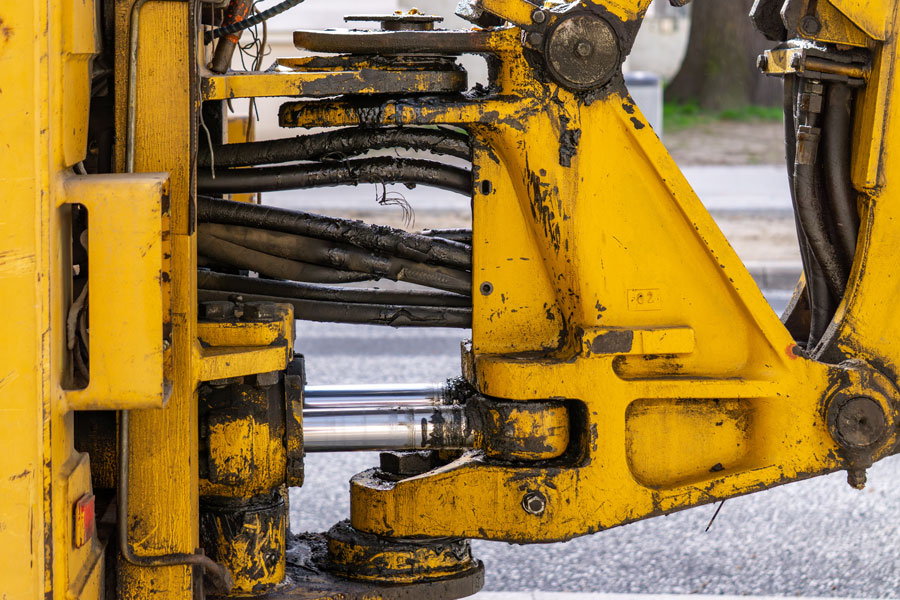
Safety Aspects of Hydraulic Control
Durability results from proper maintenance and high-quality components. A well-designed hydraulic control system reduces wear, prevents leakage and extends service intervals. By regularly checking and carrying out targeted maintenance, you can ensure long-term reliability. High-performance seals, corrosion-resistant materials and compact assemblies contribute to a longer service life. A reliable system also minimizes downtime. That means fewer unexpected failures and more predictable operations. In mobile machines, this can make the difference between project delay and smooth execution.
Integration of Hydraulic Control in Mobile Working Machines
Modern mobile machines place high demands on control systems. You need fast response, accurate regulation and reliable performance under changing loads. Hydraulic control must adapt dynamically while remaining stable. That requires systems that can process signals, adjust flow in milliseconds and deliver power exactly where it’s needed.
Interfaces between hydraulic control and digital components play a crucial role. By integrating sensors, controllers and software, you enable real-time data exchange. Control units communicate with the machine’s central system and adapt automatically to operational conditions. This results in networked systems that operate intuitively and react faster. CAN bus, IO-Link, or proprietary protocols support flexible integration across manufacturers. One example is eBSS, which stands for Electro-hydraulic demand flow control. It optimizes flow based on actual demand and operating conditions, helping improve efficiency and reduce energy losses.
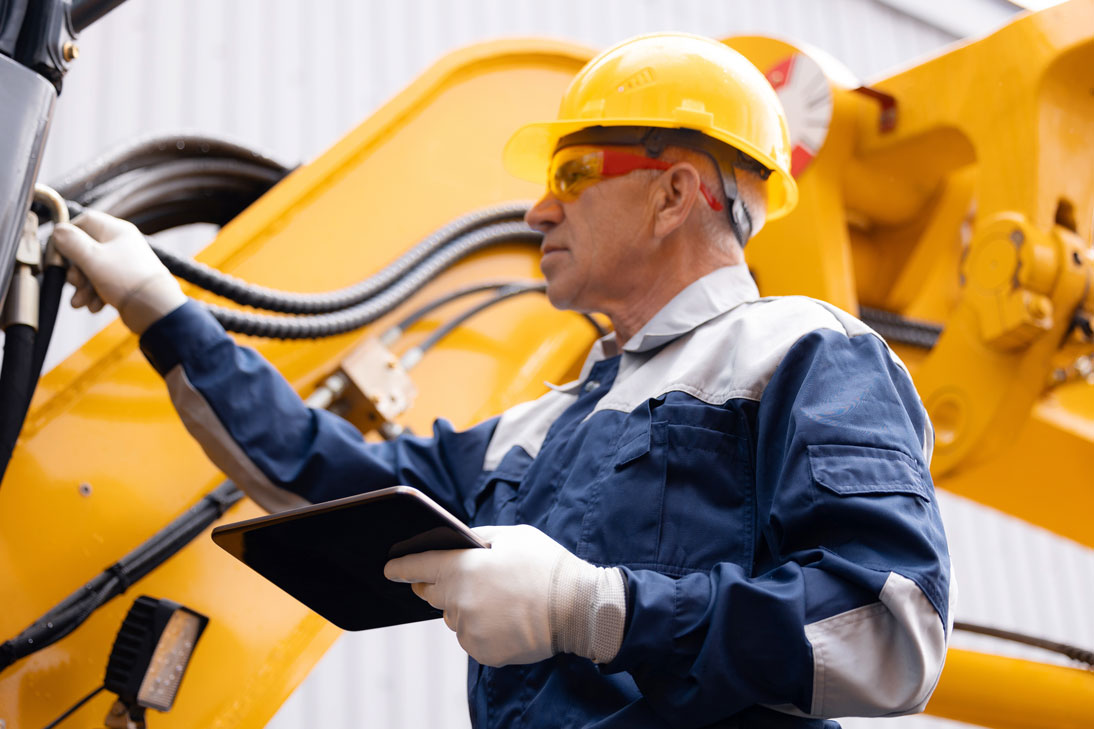 Hydraulic Control efficency
Comfort and efficiency go hand in hand. Operators benefit from smoother handling and fewer manual corrections. By adapting the controls and operating logic, the entire driving experience is improved. Hydraulic control systems also support partial or full automation. That’s especially helpful for repetitive tasks or safety-relevant operations. Efficiency gains come from reduced fuel consumption, optimized cycle times and lower system wear. In mobile machinery, hydraulic control becomes more than a technical component. It forms the link between mechanical performance and intelligent operation. A well-integrated system supports productivity, reduces operator fatigue and prepares your machines for future demands.